Ice Damming: What It Is, How It Happens, and What Homeowners Need to Know Moving Forward.
Have you noticed new water spots or small leaks following the recent snow, sleet, and icy weather? You’re not alone. As temperatures rise and ice melts, many homeowners in North Texas are surprised to find moisture inside their homes. While it’s easy to assume this indicates roof damage or failure, the real culprit is often something less obvious: ice damming.
Understanding what ice dams are, why they occur, and how to prevent them can help you protect your home and avoid unnecessary repairs.
What Is Ice Damming?
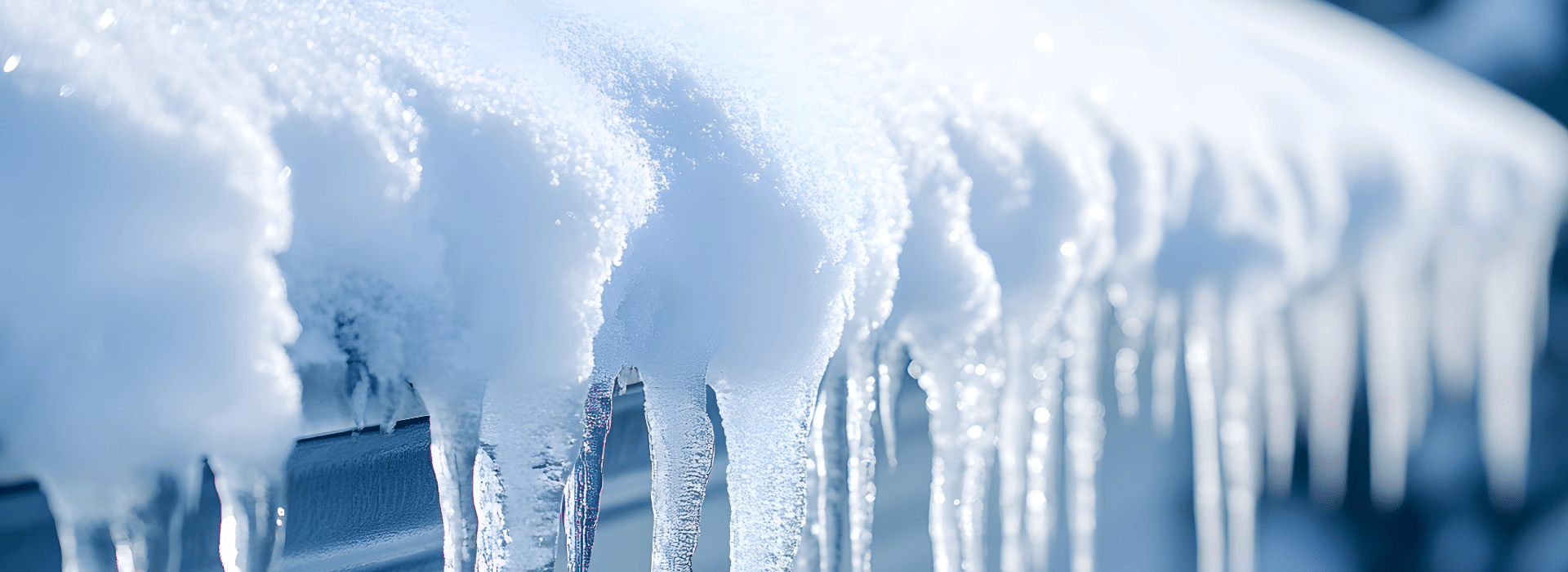
Ice dams form when the snow or ice on your roof melts, flows downward, and then refreezes near the roof’s edge or gutter line. This frozen ridge blocks proper drainage, causing water to pool behind it. With nowhere else to go, the trapped water can work its way underneath shingles and into your home. It’s important to note that ice damming can occur even if your roof is in excellent condition.
Why Do Leaks Appear After the Ice Melts?
Leaks caused by ice dams often don’t show up until after the freeze has passed. As temperatures warm and ice begins to melt, backed-up water can find a path into attic spaces, ceilings, or walls. Common signs could include:
Water stains on ceilings or upper walls
Dripping near exterior walls
Insulation that appears damp or other signs of moisture in the attic
Because these issues surface after the ice starts melting, they can feel sudden and alarming.
What Causes Ice Dams?
Ice damming typically results from uneven roof temperatures rather than roof failure itself. Contributing factors include:
Poor attic insulation: Escaping heat warms certain sections of the roof unevenly, accelerating melting.
Inadequate ventilation: Limited airflow traps heat, leading to increased melt-and-refreeze cycles.
Air leaks: Warm air seeping through light fixtures, vents, or attic hatches heats the roof deck.
Freeze/thaw cycles: When daytime melting refreezes overnight, it increases the likelihood of ice buildup along eaves.
How to Reduce the Risk of Ice Damming
While no roof is completely immune during extreme weather, several proactive steps can significantly reduce your risk:
Improve attic insulation to keep warm air inside living areas.
Ensure adequate roof ventilation for consistent temperatures.
Seal gaps and air leaks in attic or ceiling areas
Keep HVAC air filters clean to help your system maintain balanced temperatures throughout the home.
Maintain gutters and downspouts for free water flow as snow and ice melt.
These improvements not only help during winter but also enhance overall energy efficiency year-round.
When to Have Your Roof Checked
If you’ve noticed leaks or staining after last week’s freeze, it’s crucial to confirm whether ice damming is the cause or if there’s another underlying issue. A professional roof inspection can help identify the source and recommend preventive solutions.
At Daughters Roofing, we provide honest, detailed assessments, not rushed recommendations. If you have questions about winter-related leaks, ice damming, or the condition of your roof, we’re here to help.
Contact us to schedule an inspection or learn how to protect your home after the recent icy weather.
